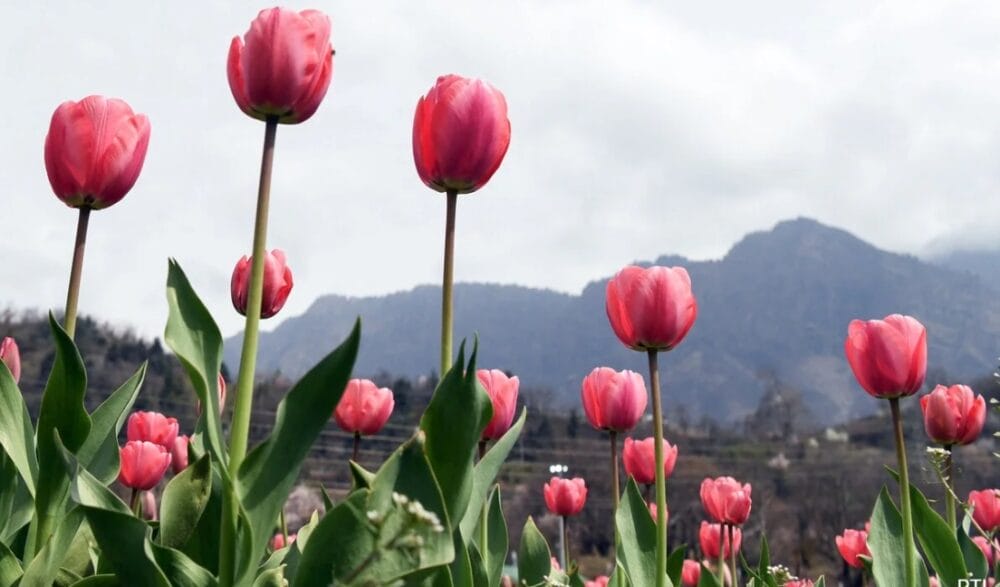
Tulip Flower
Tulips are among the most popular and beautiful flowering plants in the world. Known for their vibrant colors, elegant cup-shaped blooms, and seasonal charm, tulips are widely grown for ornamental gardens, landscaping, and the cut flower industry.
Originally native to Central Asia, tulips thrive in cool climates and are now cultivated in many parts of the world, including temperate regions of India. With proper planning and care, tulip cultivation can be highly rewarding for both home gardeners and commercial growers.
Table of Contents
Climate and Soil Requirements
Tulips grow best in cool climates with cold winters and mild springs. They require a chilling period of low temperatures (around 2–7°C) for proper bulb development and flowering. In India, tulips are mainly grown in hill regions such as Jammu & Kashmir, Himachal Pradesh, and parts of Uttarakhand.
Tulips prefer well-drained, loose, and fertile soil rich in organic matter. Sandy loam or loamy soil with good drainage is ideal, as waterlogging can cause bulb rot. The soil pH should be slightly acidic to neutral, ranging from 6.0 to 7.0. Before planting, the field or garden bed should be well-prepared by adding compost or well-decomposed farmyard manure.


Selection of Tulip Varieties
There are more than 3,000 tulip varieties available worldwide, classified into groups such as Single Early, Double Early, Triumph, Darwin Hybrid, Lily-flowered, Parrot, and Late Tulips. Popular varieties for cultivation include Apeldoorn, Golden Apeldoorn, Queen of Night, Red Impression, and White Dream. Selection of variety depends on climate, market demand, and flowering time.
Propagation and Bulb Selection
Tulips are propagated through bulbs. Healthy, disease-free bulbs of uniform size should be selected for planting. Larger bulbs usually produce stronger plants and better-quality flowers. Bulbs should be firm, free from cuts, mold, or soft spots.
Before planting, bulbs can be treated with a fungicide to prevent fungal diseases. This step is especially important in areas with high soil moisture.
Also Read: Lotus Flower Cultivation: A Complete Guide for Farmers and Gardeners
Planting Time and Method
The ideal planting time for tulip bulbs is autumn, usually from October to November, before the onset of severe winter. This allows the bulbs to establish roots before dormancy.
Bulbs should be planted at a depth of 10–15 cm, depending on bulb size, with the pointed end facing upward. The spacing between bulbs should be around 10–12 cm to ensure proper growth and air circulation. After planting, the soil should be lightly pressed and watered.
Irrigation Management
Tulips require moderate watering. Excessive moisture can lead to bulb rot, while lack of water can affect growth and flowering. After planting, light irrigation is needed to settle the soil. During active growth and flowering, watering should be done when the soil surface appears dry. Irrigation should be stopped once the flowers fade and leaves start yellowing.
Nutrient Management
Tulips respond well to balanced nutrition. Before planting, organic manure improves soil fertility and structure. A basal dose of phosphorus and potassium helps in root and bulb development. Nitrogen should be applied in small amounts during early growth stages to promote healthy leaves. Overuse of nitrogen should be avoided, as it can lead to weak stems and poor flowering.
Also Read: Top 10 Benefits of Organic NPK Fertilizers for healthy plants
Weed Control and Mulching
Weeds compete with tulips for nutrients and water, so regular weeding is essential, especially during early growth stages. Mulching with straw, dry leaves, or organic material helps conserve soil moisture, control weeds, and protect bulbs from extreme cold during winter.
Flowering and Harvesting
Tulips usually bloom in early to mid-spring, depending on the variety and climate. For cut flowers, harvesting should be done early in the morning when the buds are partially open. Stems should be cut carefully using a sharp knife without damaging nearby plants.
For garden display, flowers are left on the plant until they fade naturally. After flowering, it is important to allow the leaves to remain until they turn yellow and dry, as this helps store food in the bulb for the next season.
Post-Flowering Care and Bulb Storage
Once the foliage dries, bulbs can be lifted from the soil, cleaned, and dried in a shaded, well-ventilated area. After drying, bulbs should be stored in a cool, dry place until the next planting season. Proper storage ensures healthy flowering in the following year.
Pests and Diseases
Common pests affecting tulips include aphids, thrips, and bulb mites. Diseases such as bulb rot, gray mold, and viral infections can also occur. Using healthy bulbs, proper drainage, crop rotation, and timely pest management practices help reduce damage.
Economic Importance
Tulips have high ornamental and commercial value. They are widely used in landscaping, flower arrangements, festivals, and tourism. With increasing demand for ornamental flowers, tulip cultivation offers good income potential, especially in suitable climatic regions.
Frequently Asked Questions (FAQ)
Q1. Can tulips be grown in pots?
Yes, tulips can be successfully grown in pots with proper drainage and well-drained soil. Containers should be deep enough to accommodate the bulbs.
Q2. How long do tulips take to flower?
Tulips usually flower 3–4 months after planting, typically in spring.
Q3. Do tulips bloom every year?
Yes, with proper care and bulb storage, tulips can bloom every year.
Q4. Can tulips grow in hot climates?
Tulips require cold temperatures for proper flowering, so they grow best in cooler regions or with artificial chilling.
Q5. Why are my tulips not flowering?
Poor flowering may be due to lack of chilling, poor soil drainage, small bulb size, or improper nutrition.
Q6. How deep should tulip bulbs be planted?
Tulip bulbs should be planted 10–15 cm deep, depending on bulb size.
Q7. When should tulip bulbs be removed from the soil?
Bulbs should be removed after the leaves turn yellow and dry completely.
Also Read: Horticulture :: Flower Crops